Stories, guides and inspiration
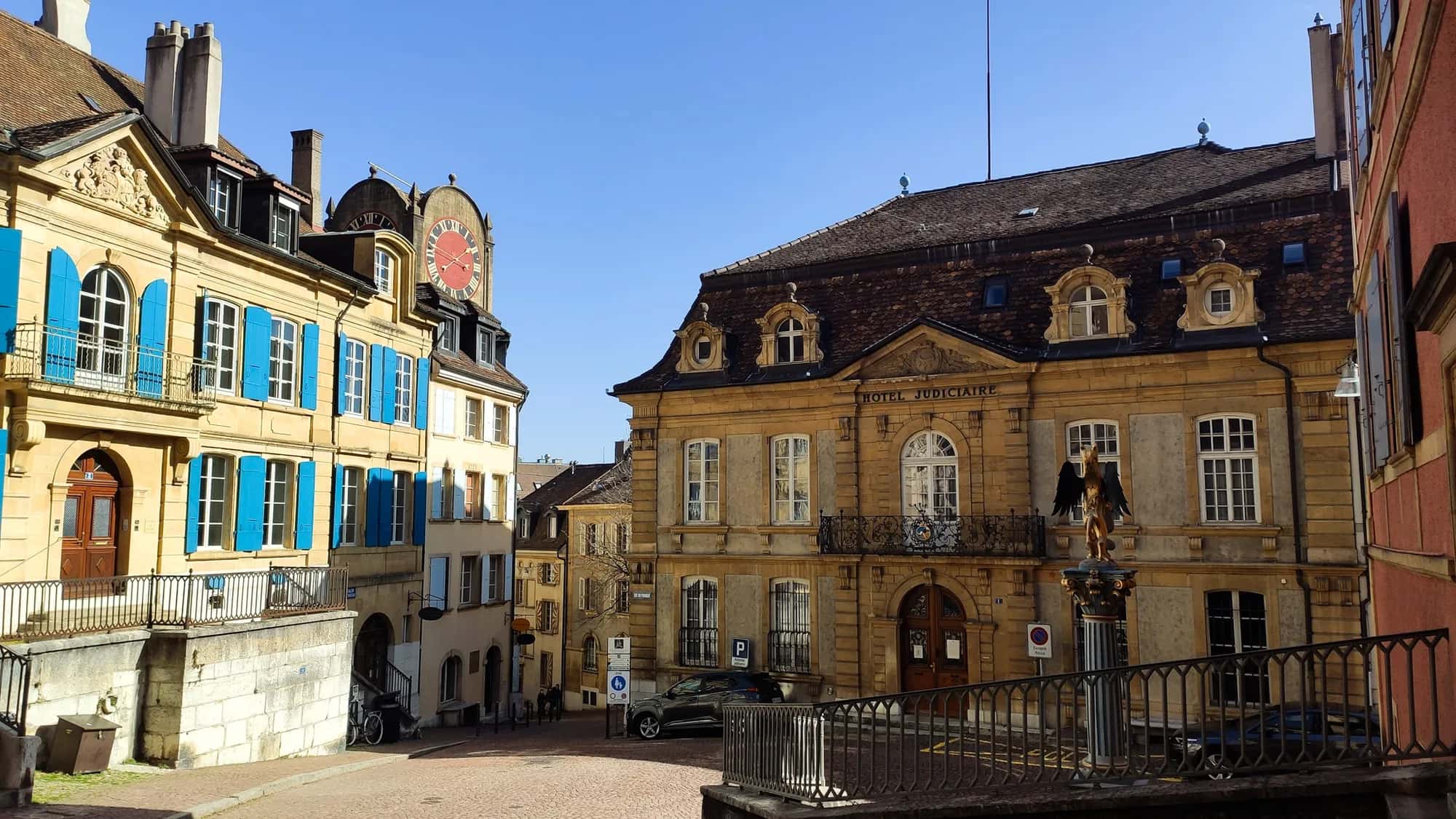
Its beautiful cobbled streets lead you up to the old medieval citadel, as far as the collegiate church beside the castle. From up there, you look out over the city’s rooftops, tangled together in Hauterive stone, the stone that made Alexandre Dumas say that Neuchâtel was “carved from a block of butter”. In the evening, the sunsets take on blazing colours.
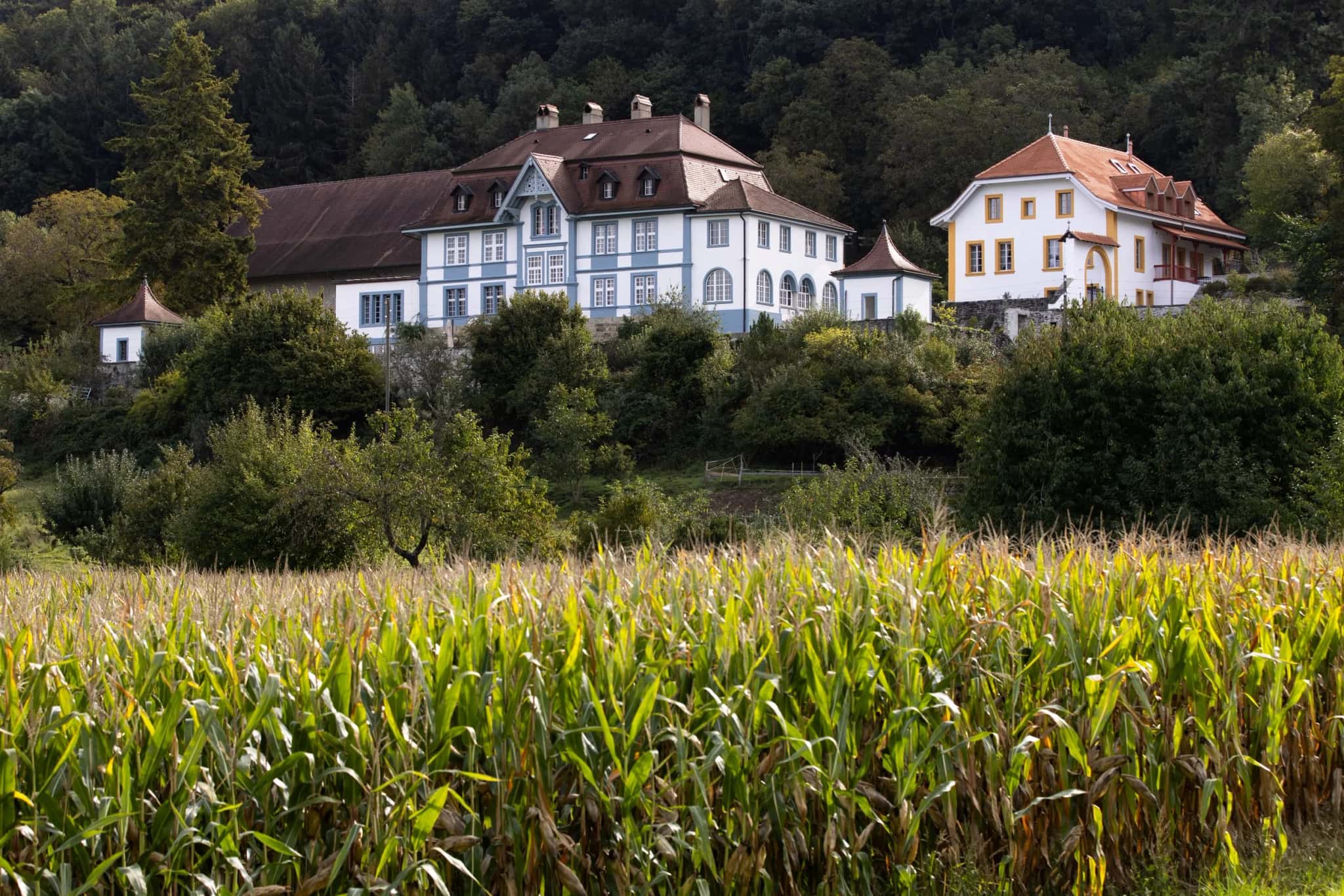
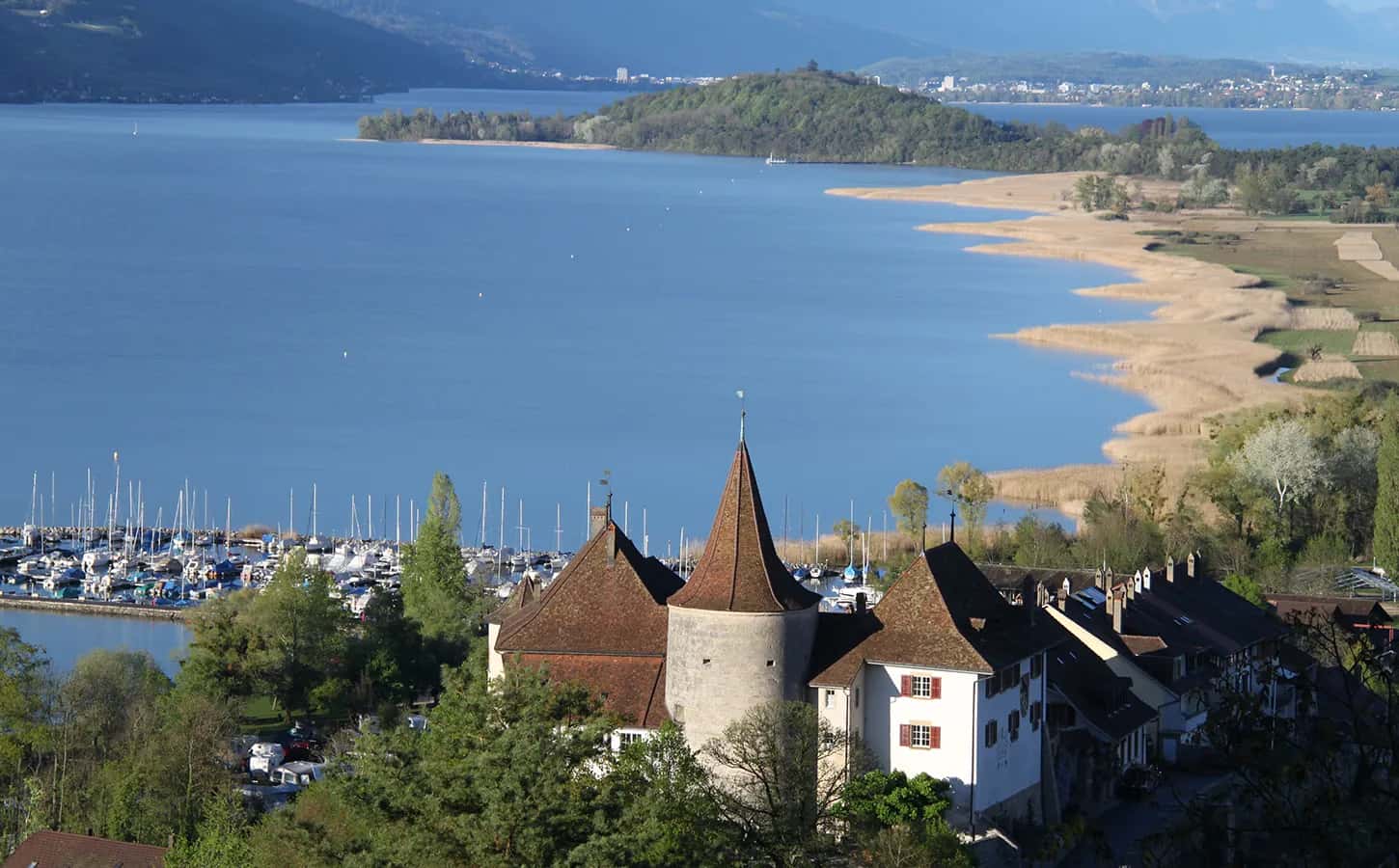
In the Broye region of Vaud, a castle built in 1698 has regained its volumes, colours and gardens after five years of restoration. It joins the Stones & Heritage selection.
There are hotels, there are holiday flats — and then there are the places that fit no category: a mayen from 1770 at the foot of the Dent Blanche, a palazzo that has welcomed travellers for a hundred and forty years, fishermen's houses saved from demolition. Places where spending the night becomes a way of inhabiting history rather than visiting it.
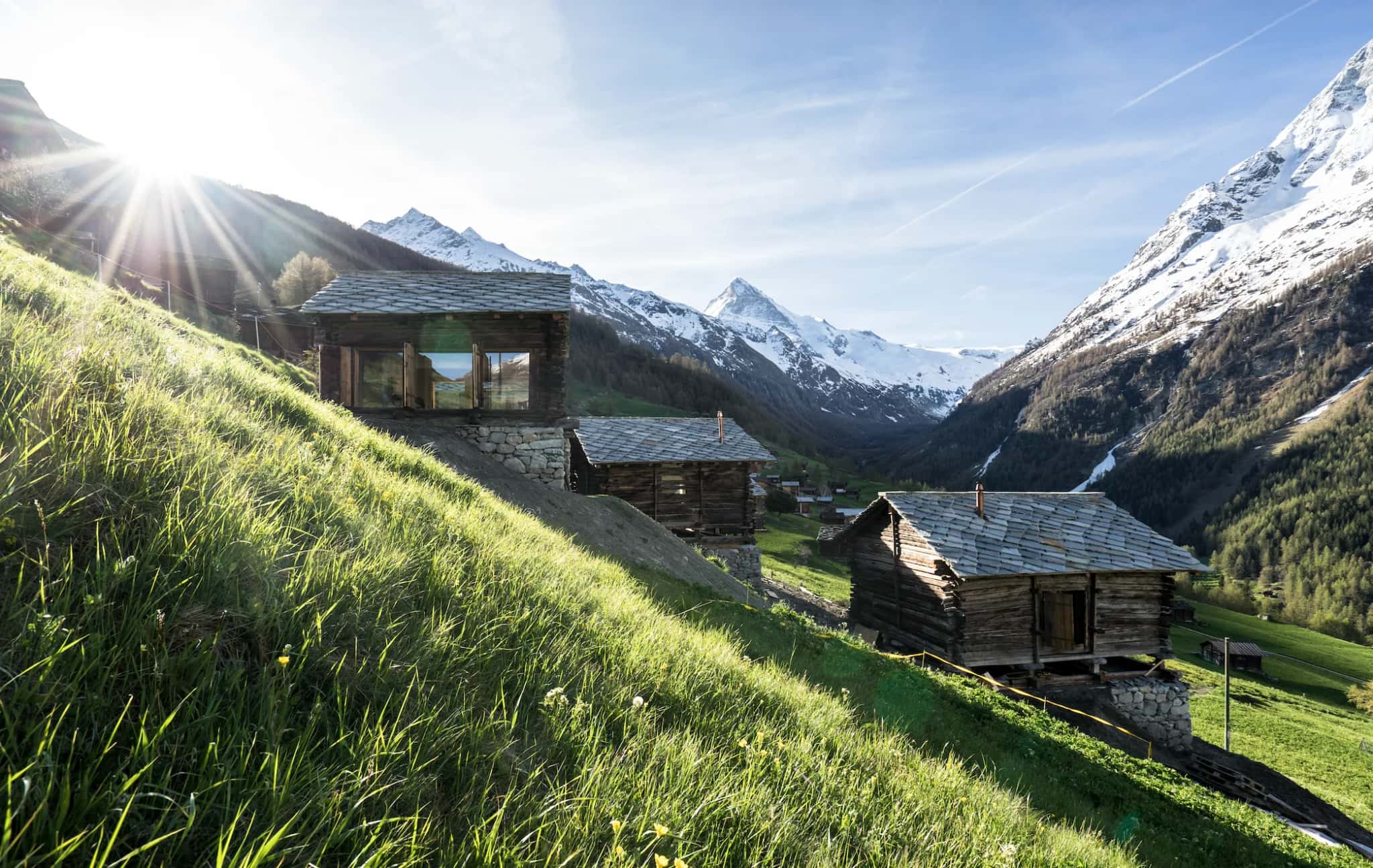
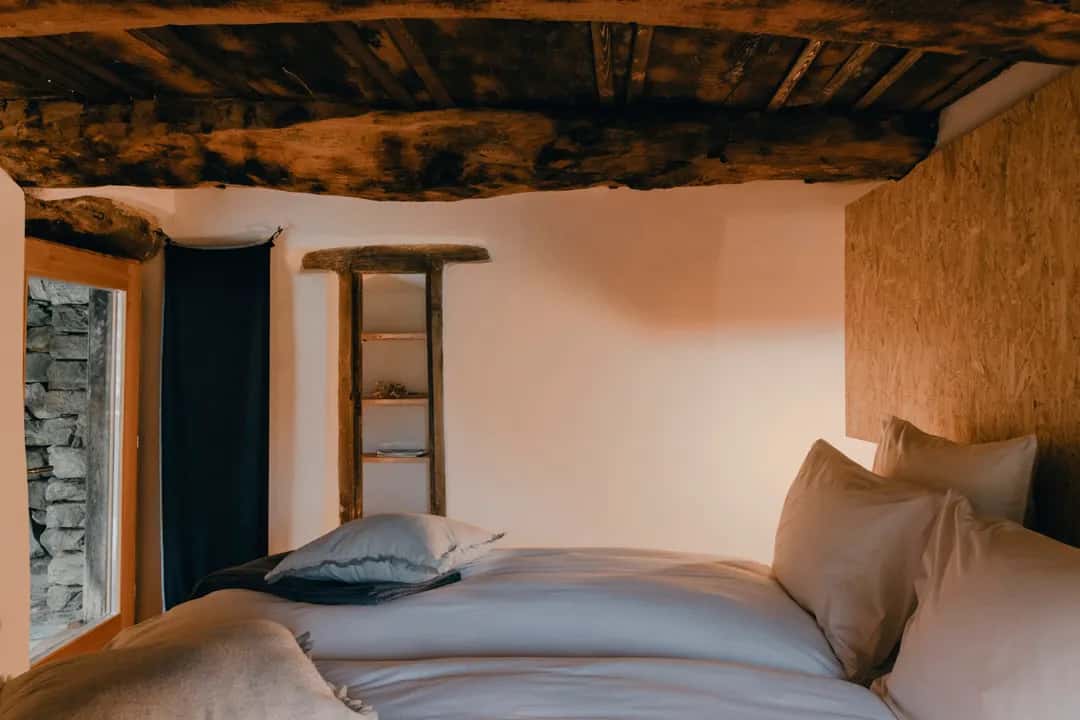
For centuries, Valais lived at two altitudes: the village below, the mayens and alpine pastures above. Of that summering life there remain hundreds of sun-darkened timber buildings, many of which seemed doomed to collapse in silence. A few passionate people decided otherwise.
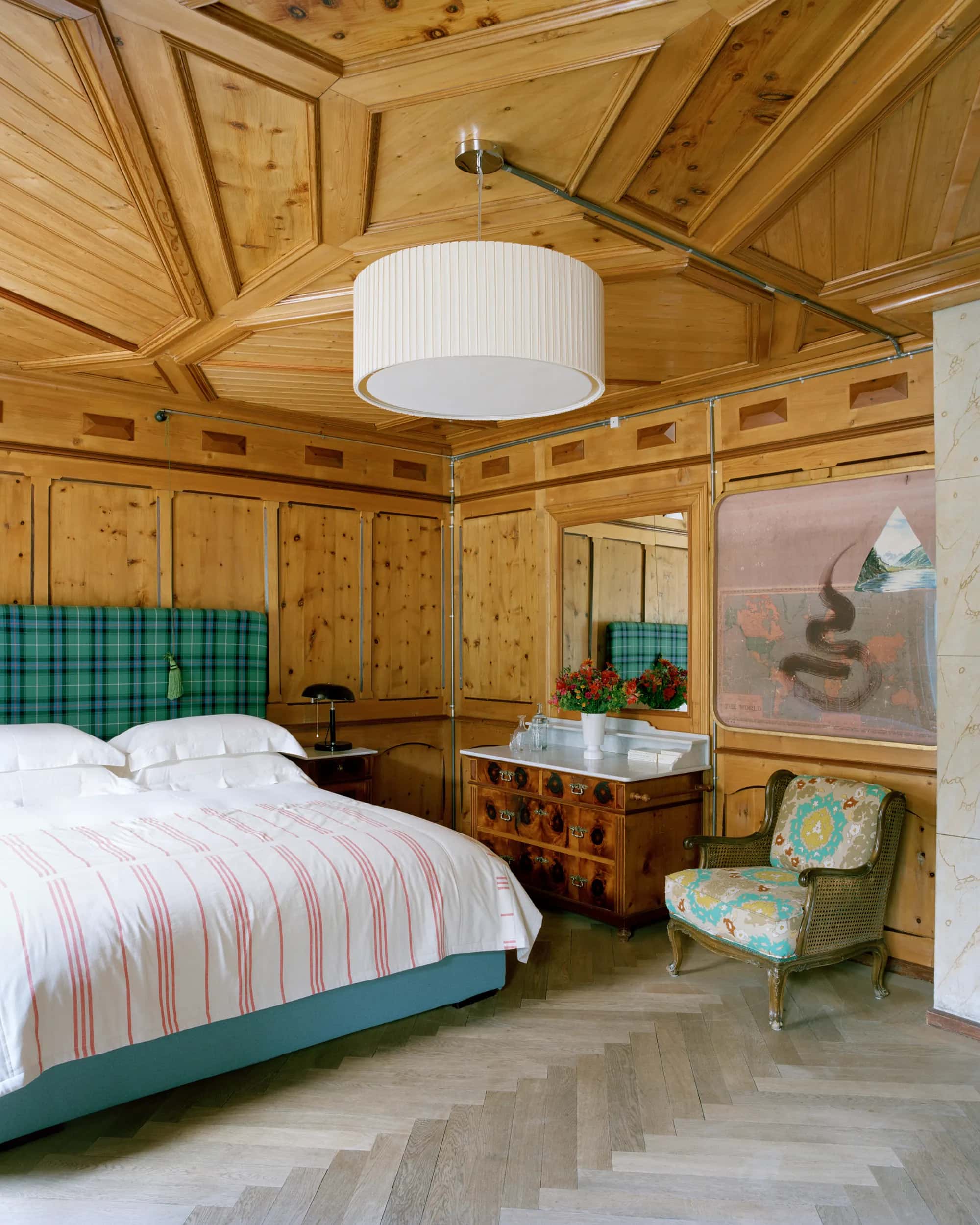
Graubünden is a canton of passes and valley-worlds: the Engadine with its famous light, the Bregaglia valley already tilting towards Italy. Along these routes, families built grandly — and two of these houses, to our eyes among the most singular in Switzerland, now open their doors to travellers.
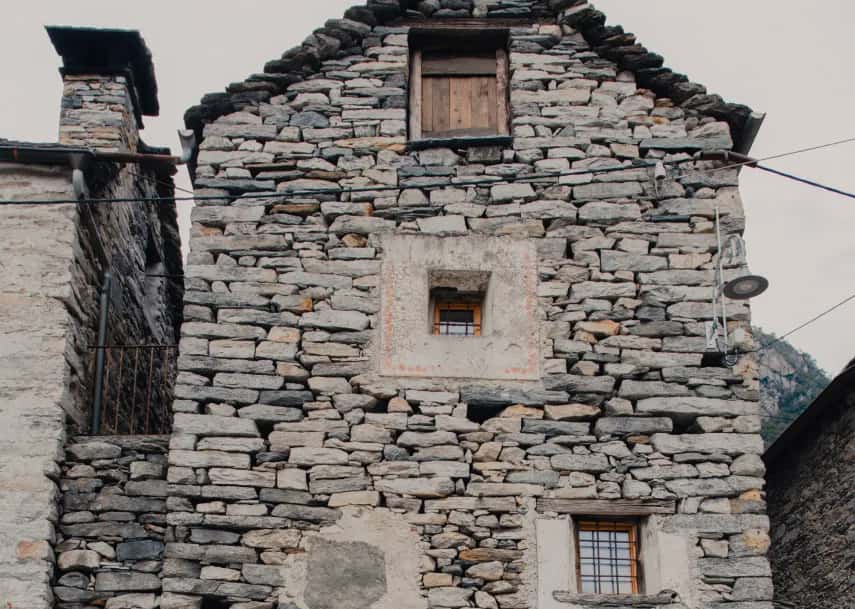
South of the Alps, Ticino built in stone: thick walls, stone-slab roofs, whole villages that seem to have grown out of the ground. These houses — the rustici — tell of a hard, ingenious life. Many were abandoned in the 20th century; the finest rebirths are recent, and two of them are in our collection.
Swiss heritage is not only about mountain chalets: it also lives in medieval towns, on river quays and on lake shores. This guide gathers our addresses of the plains and mid-mountains — five houses between Lake Biel and Lake Constance, by way of Solothurn and the Neuchâtel Jura, where history can be read at street level.